
Understanding Rosacea: Causes, Types, and Early Symptoms in Edmonton
Rosacea is a common but often misunderstood skin condition that causes redness, inflammation, and visible blood vessels, mainly on the face. This post explores its triggers, four main subtypes, and early symptoms to watch for. Early diagnosis is key to managing rosacea effectively.
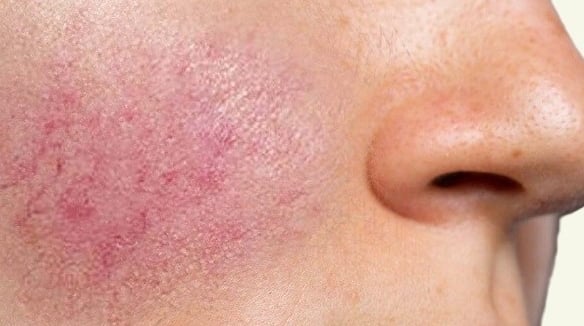
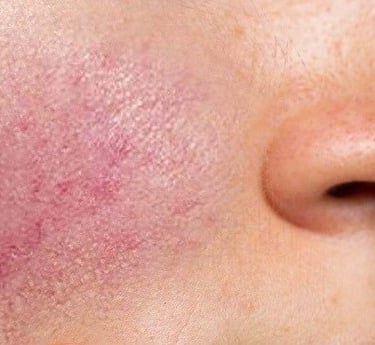
Rosacea is a common yet often misunderstood chronic skin condition that affects millions of people globally. While its exact cause is unknown, its symptoms—from persistent facial flushing to visible veins—can significantly impact your daily confidence and quality of life.
Early diagnosis and a thorough understanding of rosacea are crucial to managing flare-ups and preventing long-term skin changes.
What is Rosacea?
Rosacea is a long-term inflammatory skin disorder that primarily affects the central face, including the cheeks, nose, chin, and forehead. It is marked by alternating periods of flare-ups and remission, varying in intensity from mild redness to severe inflammation and bumpy skin textures.
Common Causes and Rosacea Triggers
Although the root causes of rosacea remain uncertain, research suggests several underlying factors and daily triggers contribute to its development:
Genetics: A family history of chronic flushing or rosacea increases your likelihood of developing the condition.
Immune System Response: An overactive inflammatory response in the skin can trigger sudden redness and swelling.
Environmental Factors: Extreme weather conditions, hot baths, wind, and prolonged sun exposure frequently trigger flare-ups.
Lifestyle Factors: Spicy foods, hot beverages, alcohol consumption, and chronic stress are among the most common lifestyle triggers.
Learn More: For a deeper dive into managing daily flare-ups, read our guide on the Top 7 Triggers That Make Rosacea Worse — And How to Avoid Them
The Four Main Subtypes of Rosacea
Understanding which type of rosacea you have helps determine the most effective treatment plan:
Erythematotelangiectatic Rosacea (ETR): Characterized by persistent facial redness, flushing, and visible blood vessels (telangiectasia).
Papulopustular Rosacea: Often mistaken for acne, this type features facial redness accompanied by swollen, pus-filled bumps.
Phymatous Rosacea: Causes skin thickening and a bumpy, irregular texture, most commonly occurring around the nose (rhinophyma).
Ocular Rosacea: Affects the eye area, causing red, irritated eyelids, dry eyes, and a burning or gritty sensation.
Early Symptoms to Watch For
Recognizing the early signs of rosacea allows for timely intervention before symptoms progress:
Persistent facial redness across the cheeks and nose
Frequent blushing or sudden skin warming
Visible spider veins (broken blood vessels)
Small red bumps or acne-like breakouts
Eye dryness, burning, or lid irritation
How Professional Rosacea Treatment Helps
While there is no permanent cure for rosacea, professional physician-led treatments can dramatically reduce redness, minimize flare-ups, and restore smooth, calm skin. Effective management options include:
Customized Skincare Regimens: Medical-grade topical treatments designed to strengthen the skin barrier and control inflammation.
Advanced Light & Laser Therapies: Targeted light-based treatments (such as IPL) designed to close visible blood vessels and eliminate deep-seated facial redness.
Trigger Management: Tailored lifestyle recommendations to help you identify and avoid personal environmental triggers.
Take Control of Your Skin Health
Leaving rosacea unmanaged can cause symptoms to progress over time, leading to persistent vessel expansion and tissue changes. Under the clinical leadership of Dr. Sara Hashemzadeh, Board-Certified Dermatologist, Ariana Esthetic provides expert diagnosis and tailored rosacea management plans.
Ready to calm persistent facial redness? Learn more about our advanced laser skin treatments in Edmonton or book your personal consultation at Ariana Esthetic today!
Related articles:
Top 7 Triggers That Make Rosacea Worse — And How to Avoid Them
Advanced Rosacea Treatments in Edmonton: From Laser to Topicals
Living with Rosacea: Mental Health, Confidence & Support in Edmonton